TOIL (Time Off in Lieu)
is paid time off given to employees instead of overtime pay, usually at a 1:1 ratio for the extra hours worked.
Updated on: June 8, 2026
TOIL (Time Off in Lieu) is paid time off granted to an employee in place of payment for overtime. When someone works beyond their contracted hours, the employer compensates them with equivalent time off rather than extra pay, usually at a 1:1 ratio — one hour worked earns one hour off.
TOIL is common across the UK, EU, Australia, and Singapore, particularly where overtime pay is impractical or where employees value flexibility. A clear policy should define how TOIL is accrued, any cap on how much can be banked, and a deadline by which it must be used before it expires.
The main risk with TOIL is losing track of balances in spreadsheets or inboxes. Logging earned and used hours in Calamari's Time & Attendance module keeps the calculation transparent for both employee and manager and prevents banked time from being forgotten.
Related terms
Floating Holiday
is a paid day off that employees can take whenever they choose, instead of on a fixed public holiday.
Leave Policy
is the set of rules that defines how much time off employees get, which leave types apply, and how requests are approved.
Sabbatical Leave
is an extended period of leave — often several weeks or months — granted to long-serving employees for rest, study, or travel.
Absenteeism
is the habitual or unplanned absence of employees from work, beyond their normal leave entitlements.
Paternity Leave
is job-protected time off for a father or partner to care for a new child following birth or adoption.
Unpaid Leave
is authorised time away from work during which the employee receives no pay but usually keeps their job and contract.
Bradford Factor
is a formula that scores employee absence, weighting frequent short absences more heavily than occasional long ones.
Bereavement Leave
is time off granted to an employee after the death of a close family member or dependant.
Maternity Leave
is job-protected time off for an employee before and after giving birth, usually paid in part by the state, the employer, or both.
Parental Leave
is time off for employees to care for a child, covering maternity, paternity, adoption, and shared parental leave.
PTO (Paid Time Off)
is a pooled bank of paid days employees can use for any purpose — holiday, personal matters, or illness. Common in the US and increasingly used worldwide.
Leave of Absence (LOA)
is an authorised period away from work — paid or unpaid — that sits outside an employee's normal annual leave.
Statutory Sick Pay (SSP)
is the minimum payment UK employers must make to eligible employees who are off sick. The rules changed on 6 April 2026.
Sick Leave
is paid or unpaid time off granted to employees who cannot work because of illness or injury.
Absence Management
is how employers track, manage, and reduce employee absence — both planned time off and unplanned sick days — to keep teams running and stay compliant.
Leave accrual
is how balances build up over time. Often the most complex part of multi-country leave management.
Annual leave
is the most common leave type and the core entitlement that leave management policies cover.
Leave Management
is how organisations handle employee time off. It covers processing requests, tracking balances, and making sure the company stays on the right side of local employment law.
Eliminate the Friction of the Hybrid Workplace
Automate everyday processes and focus on what matters most — your people.
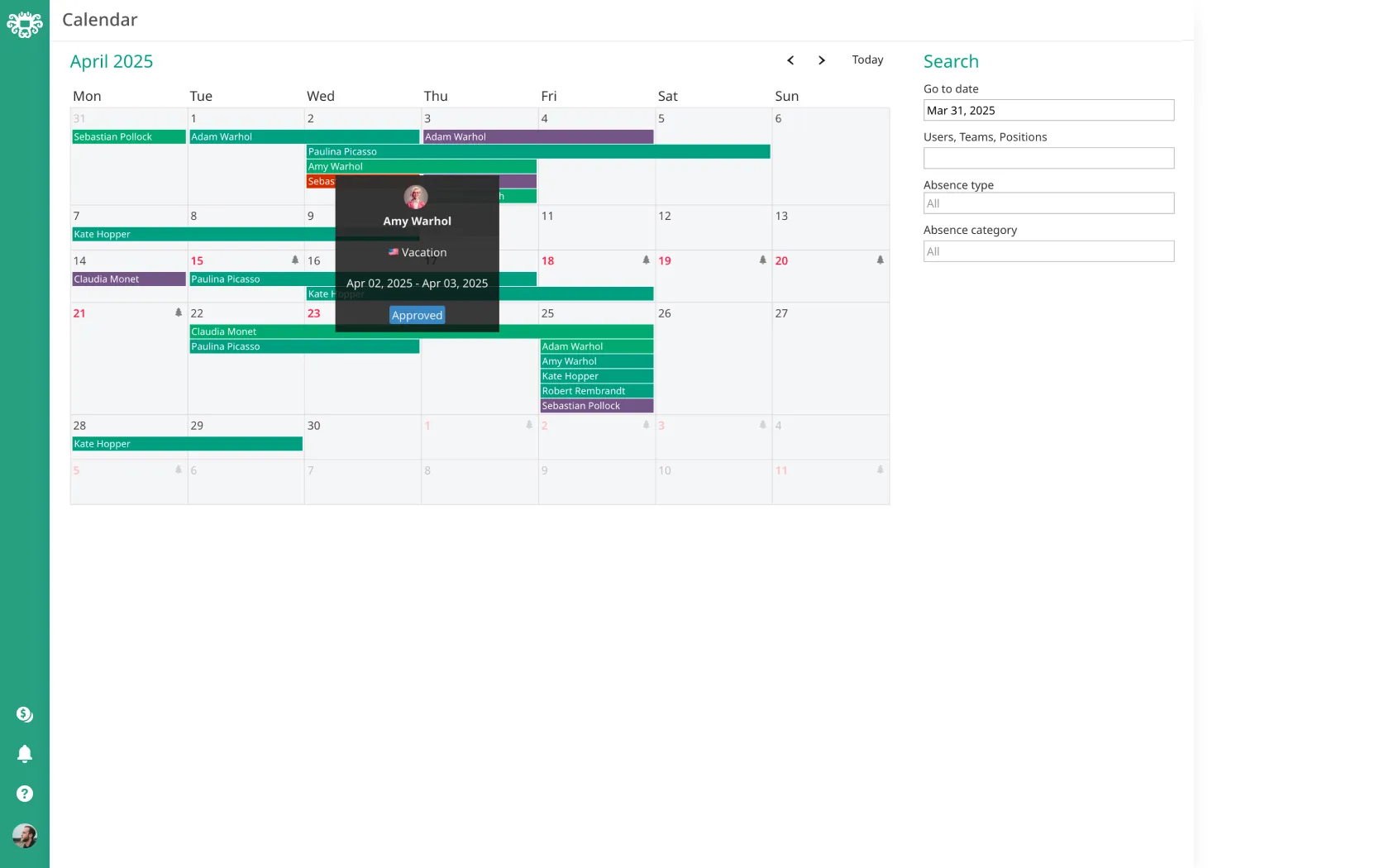
Time Off
Replace email requests and spreadsheets with a flexible tool for leave requests
Check it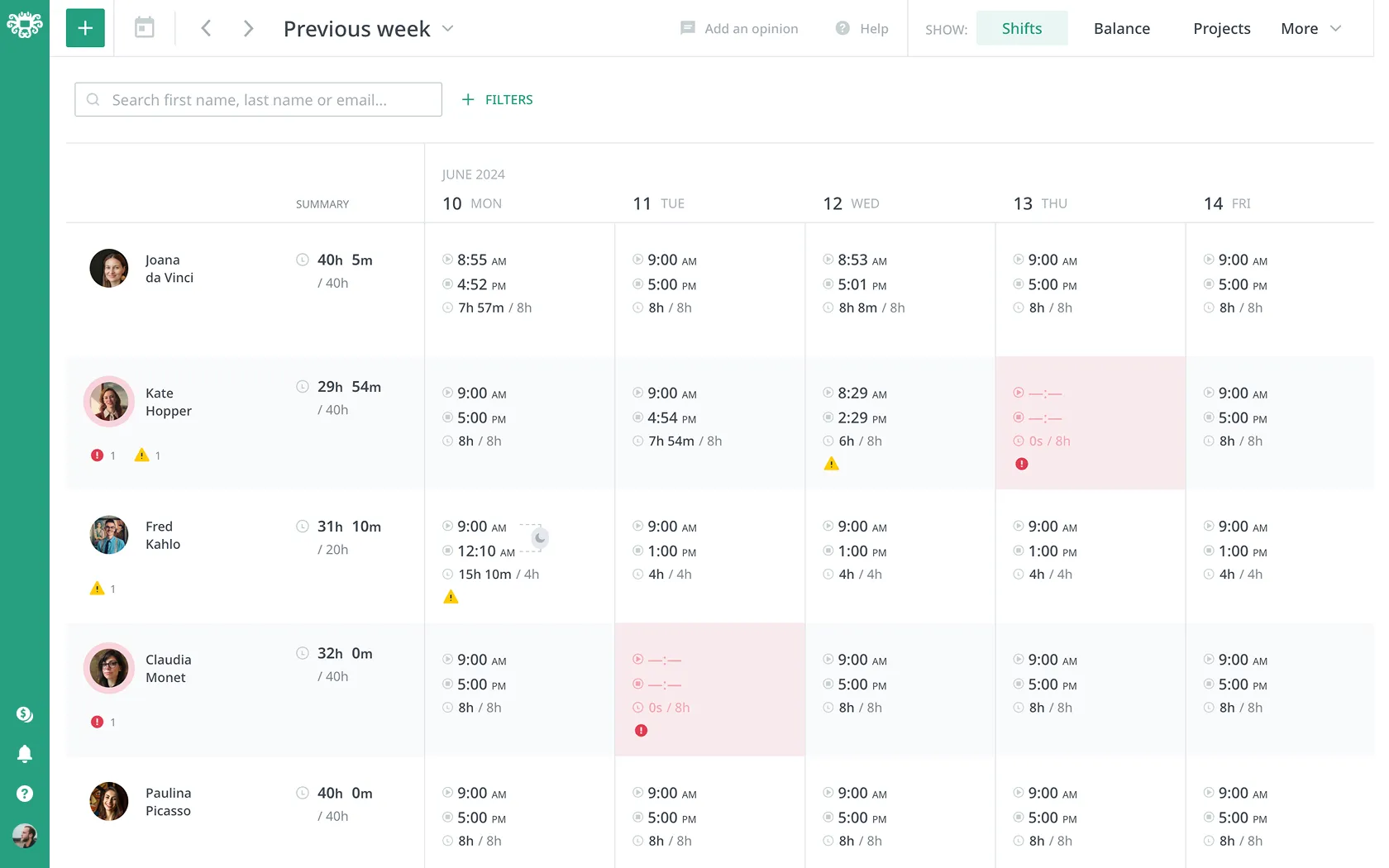
Time & Attendance
Simple time logging, timesheet management, approval workflows, and accurate reports
Check it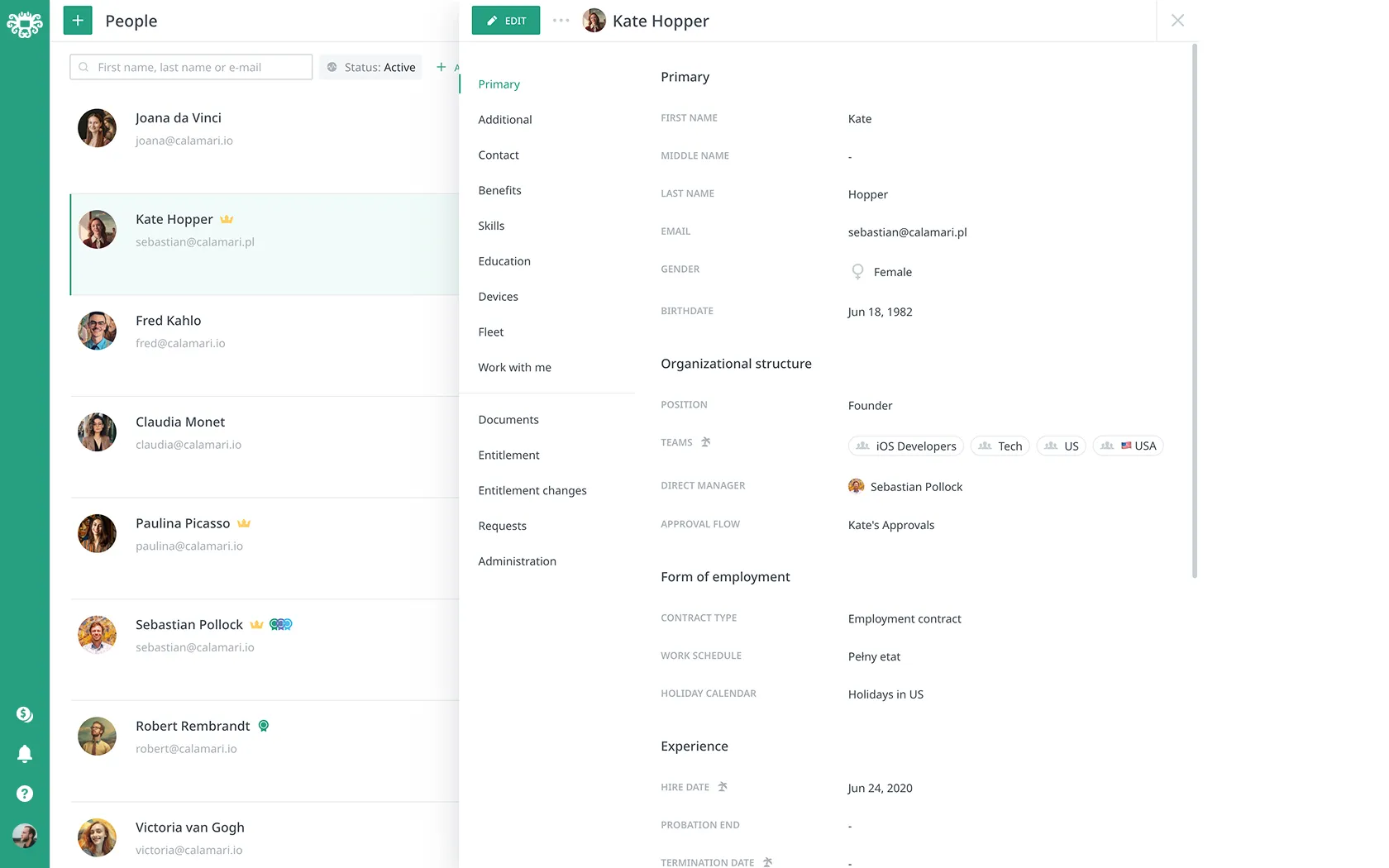
Core HR
Store employee information and documents in a secure, well-organized online space
Check it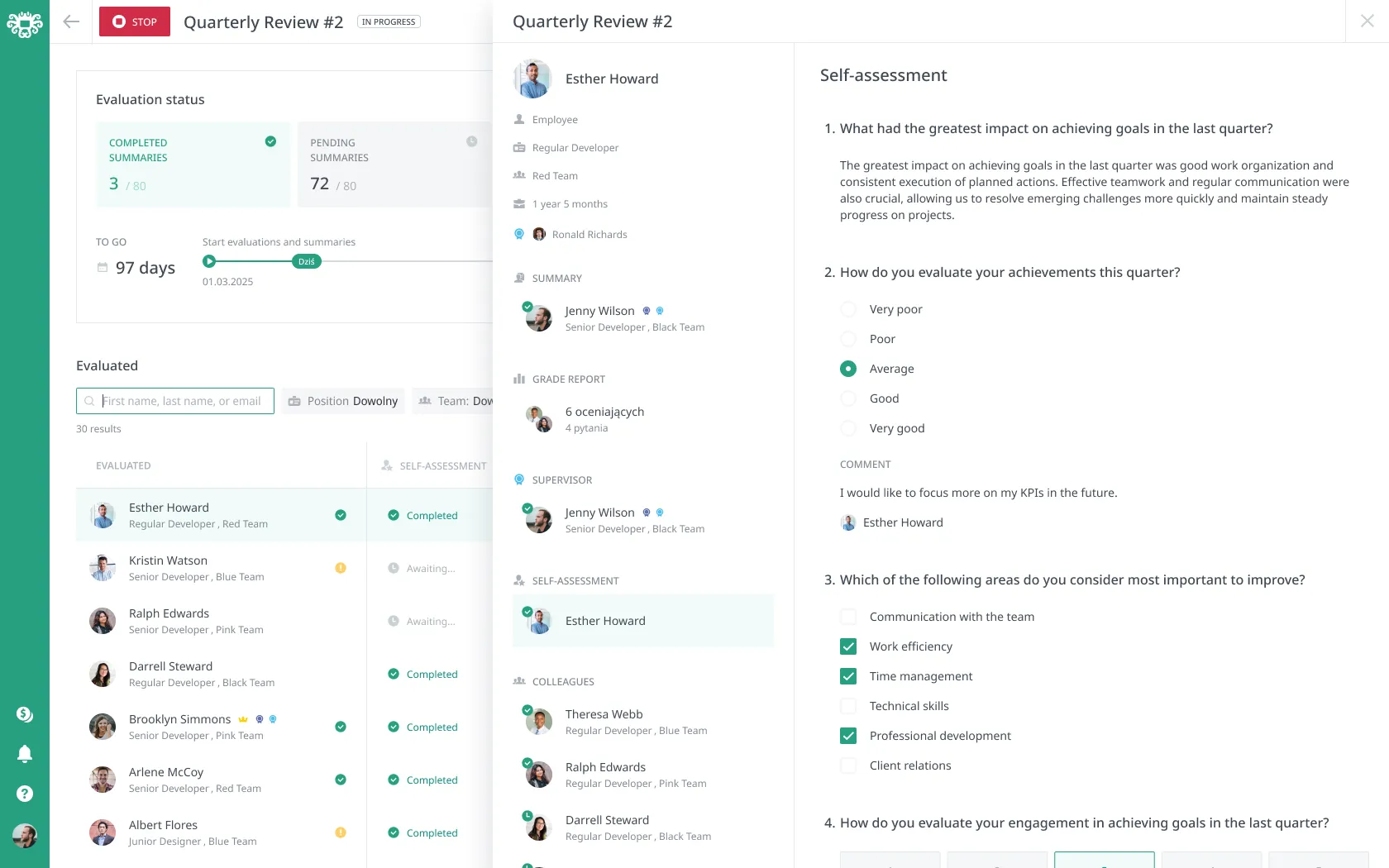
Performance
Easily configure surveys, collect team feedback, and monitor the entire process in one place
Check it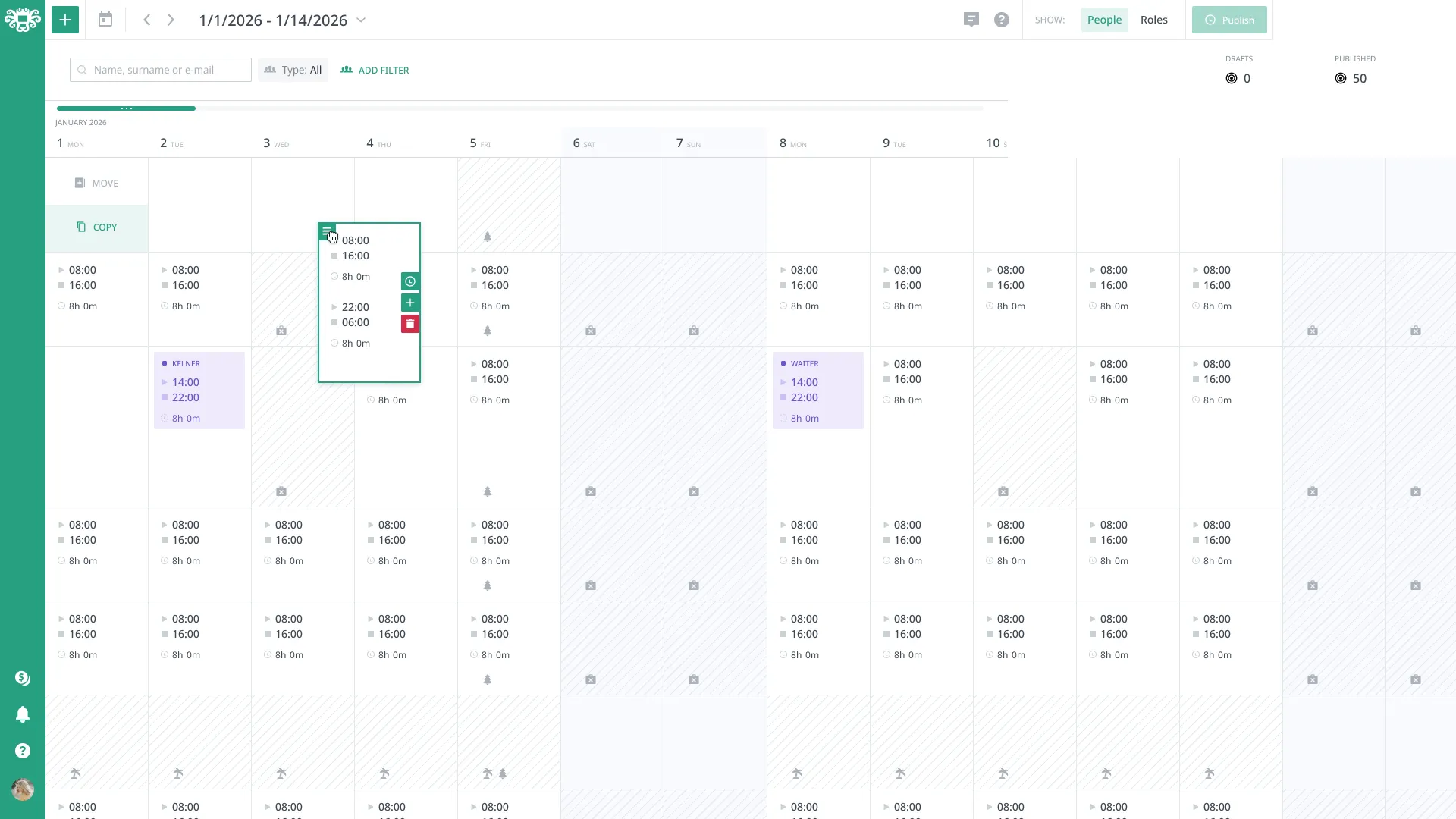
Scheduling
Create and publish employee schedules, keep everyone up to date, sync with leave and time tracking
Check it


